A groundbreaking workshop in Chisinau showcases how the InnovaTex project is transforming the textile industry through Smart Labs and digital innovation
The textile industry is experiencing a digital renaissance, and Moldova is positioning itself at the forefront of this transformation. On June 24, 2025, Universitatea Tehnica A Moldovei (Technical University of Moldova – TUM) and Centrul de Excelenţă în Industria Uşoară (Center of Excellence in Light Industry – IP CEIU) hosted a pivotal workshop that could reshape how we think about textile education and industry innovation.
The Dawn of Digital Textiles
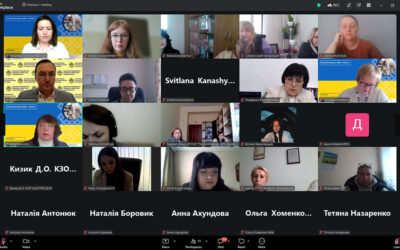
The workshop, aptly titled “Digital Textiles for an Innovative Industry,” brought together 35 participants from across the textile ecosystem – educators, industry professionals, students, and entrepreneurs – all united by a shared vision: to modernize the textile sector through cutting-edge digital technologies.
What makes this event particularly significant is that it’s not just another academic gathering. It’s a concrete step forward in the ambitious InnovaTex project, which is establishing two vocational Smart Labs—one in Moldova and one in Ukraine—to enhance digital and smart skills in the textile industry. This Erasmus+ funded initiative represents a €1.5 million investment in the future of textile education and industry digitalization.
Beyond Traditional Manufacturing
The workshop showcased technologies that sound like science fiction but are rapidly becoming industry reality. Elena Florea-Burduja’s demonstration of digital materials – precise virtual representations of real fabrics created through material scanning – illustrated how the industry is moving from physical to digital-first approaches.
Imagine being able to test fabric behavior, simulate wear patterns, and optimize designs without producing a single physical sample. This isn’t just about efficiency; it’s about sustainability. The technology supports real-time simulation to optimize textile development, reducing material waste and improving production efficiency.

Industry Voices Echo Enthusiasm
The response from industry leaders was overwhelmingly positive. Ala Osoianu from the Excellence Center in Light Industry highlighted the project’s potential to modernize education through innovative labs. Marina Lăpușneanu from Innovate Moldova expressed full support for the digitalization initiative, while Marcela Lozovanu from APIUS viewed it as a necessary step for adapting the textile industry to new technologies.
Perhaps most telling was the enthusiasm from young entrepreneurs like Alexandra Soloviova, a UTM Design Master’s graduate, who saw immediate applicability for fashion startups. This cross-generational support suggests the project addresses real market needs across different industry segments.
The Smart Lab Advantage
The proposed Smart Labs represent more than just upgraded equipment. They’ll be equipped with 3D scanners for fabric digitization and textile testing equipment to measure stretch and bending strength, ensuring precise material analysis. Combined with multimedia projectors and 3D fashion design software, these facilities will enable virtual garment visualization and detailed prototyping.
But the real innovation lies in the integrated approach. The labs won’t just house technology; they’ll serve as training hubs that facilitate strategic cooperation agreements between Higher Education Institutions and Vocational Education Providers for advanced textile courses, joint research, and innovative curriculum development.
Measuring Impact Through Data
The workshop’s success wasn’t just measured in enthusiasm. A comprehensive 12-question survey conducted among participants revealed crucial insights about industry needs, current CAD/CAM usage, and training requirements. This data-driven approach ensures that the educational content being developed will address real market demands rather than academic theory.
The survey results, spanning company demographics, innovation practices, and specific training needs, provide a roadmap for curriculum development that’s grounded in industry reality. This methodology exemplifies how modern educational initiatives must be evidence-based and industry-responsive.
Building for the Future
What sets InnovaTex apart is its commitment to sustainability – both environmental and economic. The Smart Labs will be self-funded through service provision to textile sectors and external training activities, ensuring long-term viability beyond the initial EU funding period.
Moreover, the project’s open-source approach means freely accessible training materials will be provided on an eLearning platform for 5+ years post-project, democratizing access to cutting-edge textile education across the region.
The Broader Implications
This workshop represents more than a local success story. It’s a template for how developing markets can leapfrog traditional industrial development through strategic digital investments. Moldova’s textile industry, by embracing digital transformation early, positions itself to compete globally in high-value segments rather than just low-cost manufacturing.
The collaborative nature of the project – bringing together educational institutions, industry partners, and EU funding – demonstrates how public-private partnerships can drive meaningful innovation. It’s a model that other regions and industries would do well to study.
Looking Ahead
As the InnovaTex project moves forward, the June workshop will be remembered as a turning point. It marked the moment when Moldova’s textile industry collectively decided to embrace digital transformation, not as a distant possibility but as an immediate imperative.
The 35 participants who joined that Google Meet session weren’t just attending a workshop; they were witnessing the birth of a new industrial ecosystem. One where physical and digital merge, where education and industry collaborate seamlessly, and where sustainability isn’t an afterthought but a core design principle.
The digital textiles revolution is here, and Moldova is leading the charge. The question isn’t whether other regions will follow – it’s how quickly they can catch up.