The textile industry stands at a crossroads. While traditional craftsmanship remains the foundation of quality textile production, the integration of digital technologies and sustainable practices has become essential for competitiveness in the global market. The InnovaTex project is addressing this challenge head-on through the development of innovative Smart Labs that bridge the gap between traditional textile education and modern industry requirements.
What Are Smart Labs?
Smart Labs represent a revolutionary approach to vocational education and training (VET) in the textile sector. These hands-on innovation hubs combine traditional textile knowledge with modern technologies, creating immersive learning environments where professionals can experiment with advanced approaches while maintaining the practical, tactile nature of textile work.
Unlike conventional training centers, Smart Labs are designed as living laboratories where theory meets practice, and where learners can immediately apply new concepts to real textile challenges. They serve as incubators for innovation, fostering creativity while ensuring practical application of acquired skills.
The InnovaTex Smart Lab Model
Through our Erasmus+ funded project, we’re establishing Smart Labs specifically tailored for the needs of textile professionals in Moldova and Ukraine. Our approach focuses on bridging the skills gap between traditional textile education and the demands of modern industry.
Hands-On Innovation Hubs
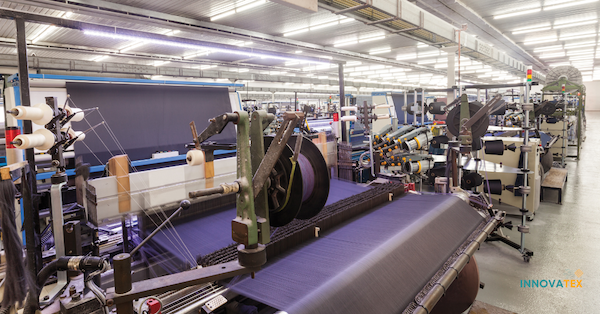
Our Smart Labs are designed as spaces where professionals can experiment with advanced textile technologies in a practical, hands-on environment. These facilities provide access to modern equipment and tools that many textile professionals in the region might not otherwise encounter in their day-to-day work.
The emphasis is on learning by doing – participants don’t just learn about new technologies and methods, they actively work with them, creating real textile solutions and prototypes that they can take back to their workplaces.
Digital Integration and Modern Tools
While we maintain respect for traditional textile skills, our Smart Labs introduce participants to digital tools and modern approaches that are becoming standard in the global textile industry. This includes exposure to contemporary design methods, digital pattern development, and modern quality control techniques.
The goal is not to replace traditional skills but to enhance them with modern capabilities, creating textile professionals who can work effectively in both traditional and modern production environments.
Sustainability Focus
Environmental responsibility is a core component of our Smart Lab training. Participants learn about sustainable manufacturing practices, waste reduction techniques, and eco-friendly approaches to textile production.
This includes hands-on experience with sustainable materials, learning to assess environmental impact, and understanding how modern approaches can actually reduce waste and energy consumption compared to traditional methods.
Smart Textile Development
One of the most exciting aspects of our Smart Labs is the introduction to smart textiles – fabrics that incorporate additional functionality beyond traditional textile properties. Participants learn about the principles behind intelligent textiles and gain practical experience in developing basic smart textile applications.
This emerging field represents significant opportunities for textile professionals who understand both traditional textile principles and modern functional requirements.
Real-World Application
The training provided in our Smart Labs is immediately applicable in real-world textile production environments. Participants learn techniques and approaches that they can implement in their own workplaces, leading to improvements in efficiency, quality, and sustainability.
Our partner organizations have reported positive impacts from Smart Lab graduates, including improved production processes, reduced waste, and successful implementation of new product lines that incorporate modern textile technologies.
International Collaboration and Knowledge Exchange
One of the unique advantages of the InnovaTex Smart Labs is the opportunity for cross-cultural knowledge exchange. Our network of 8 partners from 5 countries creates a rich learning environment where participants share experiences, challenges, and solutions across different textile traditions and market contexts.
This international perspective is invaluable in today’s global textile market, where understanding different approaches to design, production, and business can provide significant competitive advantages.
Bridging Traditional and Modern Approaches
Our Smart Labs are designed to honor and build upon traditional textile knowledge while introducing modern capabilities. The most successful outcomes occur when new tools and methods enhance rather than replace existing skills and knowledge.
Participants learn to evaluate when and how to apply modern approaches, understanding that the best solutions often combine traditional craftsmanship with contemporary efficiency and sustainability practices.
Capacity Building for the Future
Beyond individual skill development, our Smart Labs contribute to building overall capacity in the textile sectors of Moldova and Ukraine. By training professionals in modern approaches while respecting traditional knowledge, we’re helping to ensure these regions can compete effectively in global markets while maintaining their textile heritage.
This capacity building extends beyond individual participants to their organizations and communities, creating a multiplier effect that benefits the broader textile ecosystem.
Continuous Learning and Adaptation
The textile industry continues to evolve rapidly, and our Smart Lab model is designed to adapt and grow with these changes. We regularly update our training content based on industry developments, participant feedback, and emerging opportunities in the textile sector.
This commitment to continuous improvement ensures that Smart Lab graduates remain current with industry trends and are prepared for ongoing changes in textile technology and market demands.
Looking Forward
As we continue to develop and refine our Smart Lab model, we’re building a foundation for long-term transformation in textile education. The skills and knowledge gained through our programs prepare participants not just for current opportunities but for continued adaptation as the industry evolves.
Our vision extends beyond individual training programs to creating a lasting impact on textile education in the participating regions, establishing new standards for how traditional knowledge and modern capabilities can be effectively combined.
The future of textile education is practical, collaborative, and globally connected. Through our Smart Labs, we’re not just training textile professionals – we’re empowering them to lead positive change in their industry and communities.